Totality first reaches land at about 08:44 UTC on the Atlantic coasts of northern Morocco and Andalusia, which is 08:44 by the clock in Tangier and 10:44 in Spain. From there the shadow sweeps across the Strait of Gibraltar, along North Africa, over the Nile Valley and across the Red Sea into Saudi Arabia, then crosses Yemen and the tip of Somalia before leaving the Earth over the Indian Ocean. The longest totality on land, a little over six minutes, falls in Egypt between Sohag and Luxor.
Countdown to totality in Spain
–days–hours–min–sec
- Date
- Monday 2 August 2027
- Longest totality
- 6m 27s, near Nag Hammadi
- Greatest eclipse
- 10:06 UTC, southern Egypt
- Path width
- up to about 258 km
- Moon’s size vs Sun
- 7.9% larger (magnitude 1.079)
- Saros series
- 136, same family as 2009 and 2045
The path of totality
Inside the dark band the Moon covers the Sun completely. Everywhere outside it, including Madrid, Lisbon, Cairo and Tunis, sees only a partial eclipse. Durations are for the city shown.
Follow the shadow from Spain to Somalia
Drag the slider or press play to send the Moon’s shadow along its track. Just after sunrise over the Atlantic, the shadow skims the ground at several kilometres a second. By the time it reaches Spain it has slowed to about 1.4 km a second, and over Egypt, with the Sun almost overhead, to under 0.7 km a second. The slower the shadow moves, the longer totality lasts.
- Time
- Shadow over
- Totality there
- Shadow speed
- Sun height
How totality grows from west to east
The bars follow the path in the order the shadow arrives. Along the centre line, totality grows from under five minutes at the Strait of Gibraltar to 6m 27s over the Nile, then shortens over Arabia. Cities away from the centre line, such as Djerba, fall below that trend.
- CádizSpain2m 54s
- TangierMorocco4m 54s
- TarifaSpain4m 41s
- Al HoceimaMorocco4m 32s
- OranAlgeria5m 11s
- KasserineTunisia5m 30s
- SfaxTunisia5m 43s
- DjerbaTunisia4m 49s
- Siwa OasisEgypt5m 37s
- AsyutEgypt6m 10s
- LuxorEgypt6m 25s
- JeddahSaudi Arabia6m 03s
- AbhaSaudi Arabia6m 08s
Totality by country
Every city compared
Two things decide how long totality lasts where you stand. The first is your distance from the centre line. Totality is longest along the middle of the band and shrinks quickly towards its edges, so a city near the edge can have a minute or two less than one on the centre line only a short drive away.
Position along the path matters too. The Moon’s shadow races fastest over the ground where the Sun is low, at the western end of the path, and slows down where the Sun is high in the sky, which on 2 August 2027 happens over Egypt in the early afternoon. As a result, the best spots in southern Spain get four to almost five minutes, while the Nile Valley gets more than six. Within each country below, cities are sorted from the longest totality to the shortest.
| Nag Hammadi | Egypt | Total100% | 6m 27s | Totality from 13:00totality begins | Sun 82° |
|---|---|---|---|---|---|
| Sohag | Egypt | Total100% | 6m 26s | Totality from 12:58totality begins | Sun 81° |
| Luxor | Egypt | Total100% | 6m 25s | Totality from 13:01totality begins | Sun 82° |
| Qena | Egypt | Total100% | 6m 15s | Totality from 13:01totality begins | Sun 81° |
| Al Lith | Saudi Arabia | Total100% | 6m 14s | Totality from 13:26totality begins | Sun 75° |
| Benghazi | Libya | Total100% | 6m 13s | Totality from 11:27totality begins | Sun 68° |
| Asyut | Egypt | Total100% | 6m 10s | Totality from 12:56totality begins | Sun 81° |
| Abha | Saudi Arabia | Total100% | 6m 08s | Totality from 13:34totality begins | Sun 71° |
| Al Abyar | Libya | Total100% | 6m 04s | Totality from 11:28totality begins | Sun 68° |
| Khamis Mushait | Saudi Arabia | Total100% | 6m 04s | Totality from 13:34totality begins | Sun 71° |
| Jeddah | Saudi Arabia | Total100% | 6m 03s | Totality from 13:22totality begins | Sun 76° |
| Al Qunfudhah | Saudi Arabia | Total100% | 6m 03s | Totality from 13:29totality begins | Sun 73° |
| Sa’dah | Yemen | Total100% | 5m 59s | Totality from 13:38totality begins | Sun 68° |
| Suluq | Libya | Total100% | 5m 59s | Totality from 11:28totality begins | Sun 68° |
| Al Hazm | Yemen | Total100% | 5m 58s | Totality from 13:41totality begins | Sun 67° |
| Ataq | Yemen | Total100% | 5m 51s | Totality from 13:47totality begins | Sun 63° |
| Marib | Yemen | Total100% | 5m 48s | Totality from 13:43totality begins | Sun 66° |
| Sfax | Tunisia | Total100% | 5m 43s | Totality from 10:08totality begins | Sun 56° |
| Kerkennah Islands | Tunisia | Total100% | 5m 42s | Totality from 10:09totality begins | Sun 57° |
| Edfu | Egypt | Total100% | 5m 38s | Totality from 13:03totality begins | Sun 82° |
| Siwa Oasis | Egypt | Total100% | 5m 37s | Totality from 12:42totality begins | Sun 75° |
| Sidi Bouzid | Tunisia | Total100% | 5m 34s | Totality from 10:06totality begins | Sun 55° |
| Najran | Saudi Arabia | Total100% | 5m 34s | Totality from 13:38totality begins | Sun 68° |
| Marsa Alam | Egypt | Total100% | 5m 33s | Totality from 13:07totality begins | Sun 81° |
| Qandala | Somalia | Total100% | 5m 32s | Totality from 13:57totality begins | Sun 57° |
| Kasserine | Tunisia | Total100% | 5m 30s | Totality from 10:05totality begins | Sun 54° |
| Tocra | Libya | Total100% | 5m 24s | Totality from 11:28totality begins | Sun 68° |
| Khenchela | Algeria | Total100% | 5m 23s | Totality from 10:02totality begins | Sun 52° |
| Bou Saâda | Algeria | Total100% | 5m 22s | Totality from 09:57totality begins | Sun 49° |
| Batna | Algeria | Total100% | 5m 18s | Totality from 10:00totality begins | Sun 51° |
| Al Marj | Libya | Total100% | 5m 15s | Totality from 11:29totality begins | Sun 68° |
| Relizane | Algeria | Total100% | 5m 15s | Totality from 09:52totality begins | Sun 45° |
| Tébessa | Algeria | Total100% | 5m 15s | Totality from 10:04totality begins | Sun 53° |
| Al Baha | Saudi Arabia | Total100% | 5m 15s | Totality from 13:29totality begins | Sun 73° |
| Gafsa | Tunisia | Total100% | 5m 14s | Totality from 10:05totality begins | Sun 54° |
| Oran | Algeria | Total100% | 5m 11s | Totality from 09:50totality begins | Sun 43° |
| Mecca | Saudi Arabia | Total100% | 5m 10s | Totality from 13:23totality begins | Sun 76° |
| Tiaret | Algeria | Total100% | 5m 10s | Totality from 09:53totality begins | Sun 46° |
| Biskra | Algeria | Total100% | 5m 08s | Totality from 10:00totality begins | Sun 51° |
| Mostaganem | Algeria | Total100% | 5m 05s | Totality from 09:52totality begins | Sun 44° |
| Tetouan | Morocco | Total100% | 4m 55s | Totality from 08:45totality begins | Sun 38° |
| M’diq | Morocco | Total100% | 4m 55s | Totality from 08:45totality begins | Sun 38° |
| Tangier | Morocco | Total100% | 4m 54s | Totality from 08:44totality begins | Sun 38° |
| Fnideq | Morocco | Total100% | 4m 53s | Totality from 08:45totality begins | Sun 38° |
| Ceuta | Spain | Total100% | 4m 51s | Totality from 10:45totality begins | Sun 38° |
| Djerba | Tunisia | Total100% | 4m 49s | Totality from 10:09totality begins | Sun 57° |
| Asilah | Morocco | Total100% | 4m 49s | Totality from 08:44totality begins | Sun 38° |
| Aïn Témouchent | Algeria | Total100% | 4m 48s | Totality from 09:50totality begins | Sun 43° |
| Tarifa | Spain | Total100% | 4m 41s | Totality from 10:44totality begins | Sun 38° |
| Melilla | Spain | Total100% | 4m 40s | Totality from 10:48totality begins | Sun 41° |
| Bolonia | Spain | Total100% | 4m 33s | Totality from 10:44totality begins | Sun 38° |
| Al Hoceima | Morocco | Total100% | 4m 32s | Totality from 08:46totality begins | Sun 40° |
| Gibraltar | Gibraltar | Total100% | 4m 29s | Totality from 10:45totality begins | Sun 38° |
| Algeciras | Spain | Total100% | 4m 28s | Totality from 10:45totality begins | Sun 38° |
| Zahara de los Atunes | Spain | Total100% | 4m 26s | Totality from 10:44totality begins | Sun 38° |
| La Línea de la Concepción | Spain | Total100% | 4m 26s | Totality from 10:45totality begins | Sun 38° |
| Larache | Morocco | Total100% | 4m 25s | Totality from 08:44totality begins | Sun 38° |
| El Jem | Tunisia | Total100% | 4m 25s | Totality from 10:09totality begins | Sun 56° |
| Nador | Morocco | Total100% | 4m 22s | Totality from 08:48totality begins | Sun 41° |
| Chefchaouen | Morocco | Total100% | 4m 20s | Totality from 08:45totality begins | Sun 39° |
| Alula | Somalia | Total100% | 4m 20s | Totality from 13:58totality begins | Sun 56° |
| Barbate | Spain | Total100% | 4m 18s | Totality from 10:44totality begins | Sun 38° |
| Gabès | Tunisia | Total100% | 4m 15s | Totality from 10:08totality begins | Sun 56° |
| Saïdia | Morocco | Total100% | 4m 10s | Totality from 08:49totality begins | Sun 42° |
| Vejer de la Frontera | Spain | Total100% | 4m 08s | Totality from 10:44totality begins | Sun 38° |
| Tolmeita (Ptolemais) | Libya | Total100% | 4m 08s | Totality from 11:29totality begins | Sun 68° |
| Bosaso | Somalia | Total100% | 4m 07s | Totality from 13:58totality begins | Sun 58° |
| Sotogrande | Spain | Total100% | 4m 07s | Totality from 10:45totality begins | Sun 38° |
| Conil de la Frontera | Spain | Total100% | 4m 02s | Totality from 10:44totality begins | Sun 38° |
| Taif | Saudi Arabia | Total100% | 3m 56s | Totality from 13:25totality begins | Sun 75° |
| Estepona | Spain | Total100% | 3m 39s | Totality from 10:46totality begins | Sun 39° |
| Chiclana de la Frontera | Spain | Total100% | 3m 29s | Totality from 10:45totality begins | Sun 38° |
| Tlemcen | Algeria | Total100% | 3m 21s | Totality from 09:50totality begins | Sun 43° |
| Marbella | Spain | Total100% | 3m 18s | Totality from 10:46totality begins | Sun 39° |
| Jizan | Saudi Arabia | Total100% | 3m 13s | Totality from 13:38totality begins | Sun 70° |
| Fuengirola | Spain | Total100% | 3m 11s | Totality from 10:47totality begins | Sun 39° |
| Zarzis | Tunisia | Total100% | 3m 06s | Totality from 10:11totality begins | Sun 57° |
| Amran | Yemen | Total100% | 3m 04s | Totality from 13:42totality begins | Sun 67° |
| Cape Guardafui | Somalia | Total100% | 2m 59s | Totality from 14:00totality begins | Sun 56° |
| Cádiz | Spain | Total100% | 2m 54s | Totality from 10:45totality begins | Sun 37° |
| Mahdia | Tunisia | Total100% | 2m 51s | Totality from 10:10totality begins | Sun 56° |
| Kairouan | Tunisia | Total100% | 2m 42s | Totality from 10:08totality begins | Sun 55° |
| Sana’a | Yemen | Total100% | 2m 34s | Totality from 13:43totality begins | Sun 67° |
| El Quseir | Egypt | Total100% | 2m 31s | Totality from 13:06totality begins | Sun 81° |
| Tozeur | Tunisia | Total100% | 2m 07s | Totality from 10:06totality begins | Sun 54° |
| Málaga | Spain | Total100% | 1m 50s | Totality from 10:48totality begins | Sun 39° |
| Motril | Spain | Total100% | 1m 39s | Totality from 10:49totality begins | Sun 40° |
| Jerez de la Frontera | Spain | Total100% | 1m 35s | Totality from 10:46totality begins | Sun 38° |
| Tajura | Libya | Total100% | 1m 30s | Totality from 11:16totality begins | Sun 60° |
| Oujda | Morocco | Total100% | 1m 30s | Totality from 08:50totality begins | Sun 42° |
| Nerja | Spain | Total100% | 1m 28s | Totality from 10:48totality begins | Sun 40° |
| Khoms | Libya | Total100% | 1m 19s | Totality from 11:18totality begins | Sun 61° |
| Ronda | Spain | Total100% | 1m 16s | Totality from 10:47totality begins | Sun 39° |
| Tripoli | Libya | Total100% | 0m 47s | Totality from 11:16totality begins | Sun 60° |
| Almería | Spain | Partial99.9% | No totality– | Peak at 10:51peak | Sun 41° |
| Al Bayda | Libya | Partial99.9% | No totality– | Peak at 11:33peak | Sun 69° |
| Misrata | Libya | Partial99.9% | No totality– | Peak at 11:20peak | Sun 62° |
| Constantine | Algeria | Partial99.9% | No totality– | Peak at 10:04peak | Sun 51° |
| Monastir | Tunisia | Partial99.8% | No totality– | Peak at 10:11peak | Sun 56° |
| Sousse | Tunisia | Partial99.8% | No totality– | Peak at 10:10peak | Sun 56° |
| Algiers | Algeria | Partial99.8% | No totality– | Peak at 09:58peak | Sun 47° |
| Tobruk | Libya | Partial99.6% | No totality– | Peak at 11:38peak | Sun 72° |
| Safaga | Egypt | Partial99.5% | No totality– | Peak at 13:06peak | Sun 80° |
| Derna | Libya | Partial99.2% | No totality– | Peak at 11:35peak | Sun 70° |
| Las Khorey | Somalia | Partial99.2% | No totality– | Peak at 13:58peak | Sun 59° |
| Granada | Spain | Partial99.1% | No totality– | Peak at 10:50peak | Sun 40° |
| Mukalla | Yemen | Partial99.1% | No totality– | Peak at 13:54peak | Sun 60° |
| Yanbu | Saudi Arabia | Partial98.9% | No totality– | Peak at 13:18peak | Sun 78° |
| Rabat | Morocco | Partial98.6% | No totality– | Peak at 08:45peak | Sun 37° |
| Hurghada | Egypt | Partial98.5% | No totality– | Peak at 13:04peak | Sun 80° |
| Fes | Morocco | Partial98.4% | No totality– | Peak at 08:47peak | Sun 39° |
| Seville | Spain | Partial98.2% | No totality– | Peak at 10:47peak | Sun 38° |
| Hammamet | Tunisia | Partial98.2% | No totality– | Peak at 10:10peak | Sun 55° |
| Sirte | Libya | Partial97.9% | No totality– | Peak at 11:24peak | Sun 65° |
| Casablanca | Morocco | Partial97.1% | No totality– | Peak at 08:44peak | Sun 36° |
| Tunis | Tunisia | Partial97.0% | No totality– | Peak at 10:09peak | Sun 55° |
| Hodeidah | Yemen | Partial96.6% | No totality– | Peak at 13:44peak | Sun 68° |
| Aden | Yemen | Partial96.1% | No totality– | Peak at 13:51peak | Sun 64° |
| Erigavo | Somalia | Partial95.8% | No totality– | Peak at 13:58peak | Sun 60° |
| Taiz | Yemen | Partial95.8% | No totality– | Peak at 13:48peak | Sun 66° |
| Cairo | Egypt | Partial94.7% | No totality– | Peak at 12:55peak | Sun 78° |
| Medina | Saudi Arabia | Partial94.4% | No totality– | Peak at 13:20peak | Sun 76° |
| Lisbon | Portugal | Partial92.4% | No totality– | Peak at 09:44peak | Sun 35° |
| Socotra (Hadibu) | Yemen | Partial92.4% | No totality– | Peak at 14:04peak | Sun 53° |
| Garowe | Somalia | Partial92.1% | No totality– | Peak at 14:03peak | Sun 57° |
| Marrakech | Morocco | Partial89% | No totality– | Peak at 08:43peak | Sun 36° |
| Berbera | Somalia | Partial89% | No totality– | Peak at 13:55peak | Sun 63° |
| Ghadames | Libya | Partial87% | No totality– | Peak at 11:10peak | Sun 56° |
| Madrid | Spain | Partial86% | No totality– | Peak at 10:51peak | Sun 40° |
| Hargeisa | Somalia | Partial83% | No totality– | Peak at 13:55peak | Sun 63° |
| Kufra | Libya | Partial81% | No totality– | Peak at 11:46peak | Sun 77° |
| Sabha | Libya | Partial79% | No totality– | Peak at 11:23peak | Sun 64° |
| Riyadh | Saudi Arabia | Partial76% | No totality– | Peak at 13:32peak | Sun 67° |
| Mogadishu | Somalia | Partial63% | No totality– | Peak at 14:09peak | Sun 56° |
Local clock time on 2 August 2027 when totality begins, or for a partial eclipse, the moment of greatest coverage.
What you will see
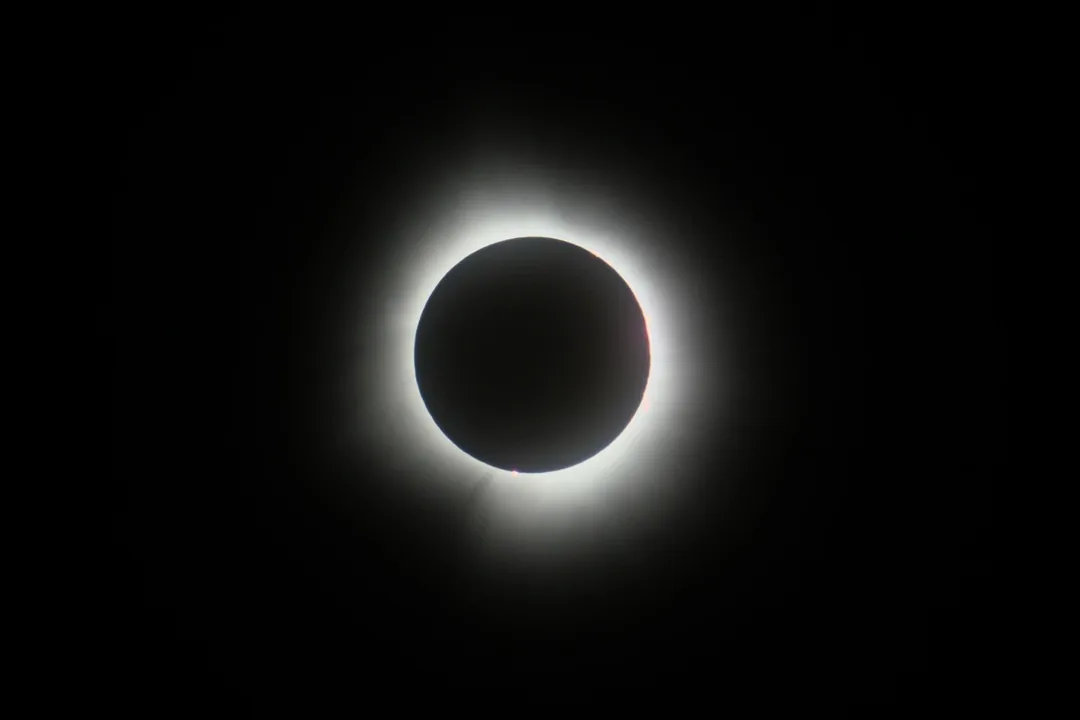
For the first hour or so the Moon slowly covers the Sun, and the light gradually turns flat and strange. You need eclipse glasses for this whole partial phase. In the last minutes before totality the temperature drops, shadows sharpen, and bands of light and shade may ripple across the ground.
At second contact the last beads of sunlight vanish and totality begins. Only now is it safe to take your glasses off and look directly at the Sun. The corona spreads out around the black disc of the Moon, a sunset glow runs all the way round the horizon, and the brightest planets and stars come out. When the first bright point of sunlight returns, glasses go back on immediately.
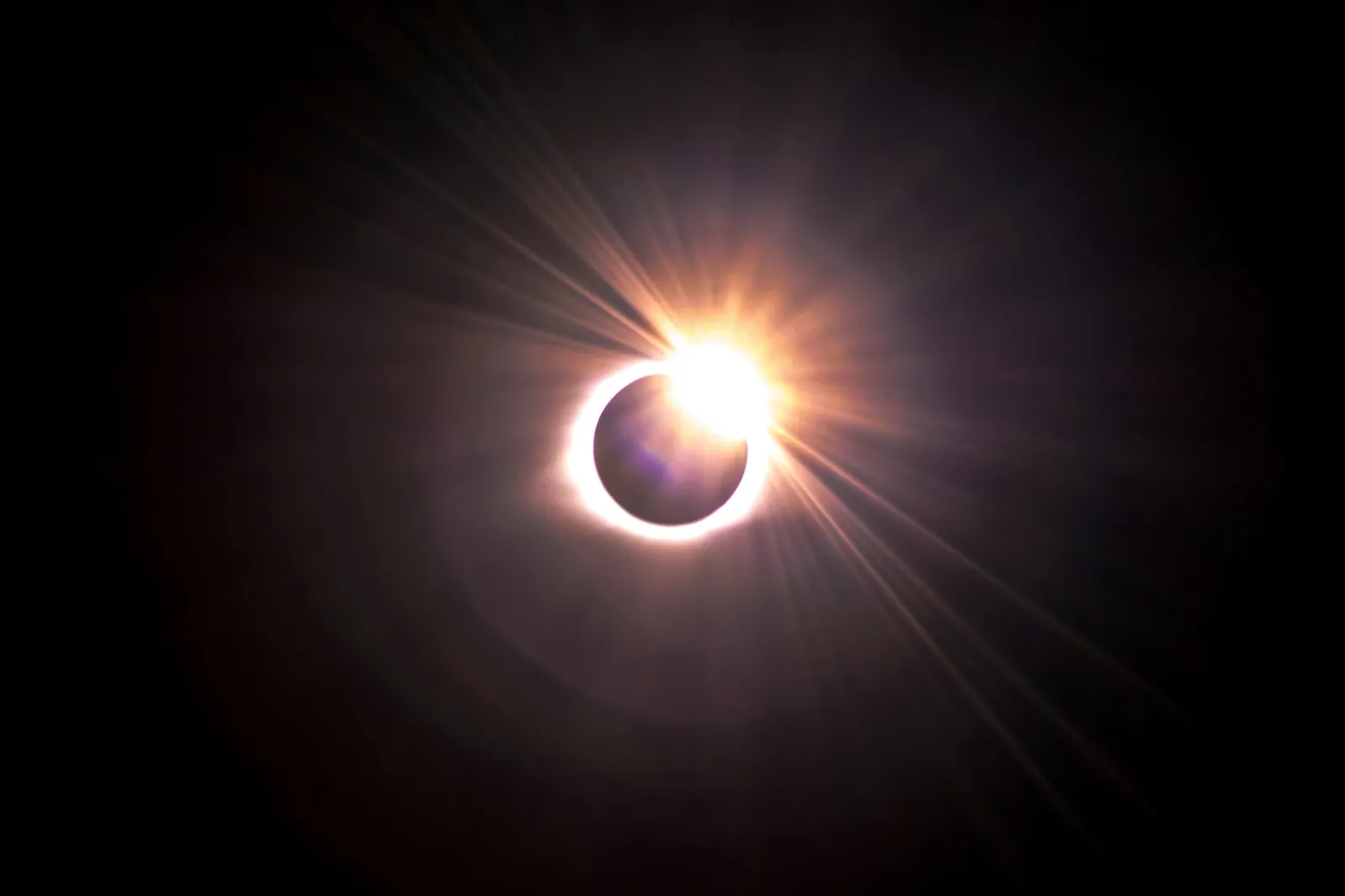
Our minute-by-minute account of what happens during totality uses the real timings for Luxor.
Why 2027 is called the eclipse of the century
Totality on 2 August 2027 lasts up to 6 min 27 s on land. No total eclipse between 1991 and 2114 gives more time on land that ordinary travellers can reach. The 2009 eclipse in the same family lasted a little longer at greatest eclipse, but its longest totality fell over the open Pacific.
Three things line up to make it long. The Moon is close to Earth, so it looks large and covers the Sun with room to spare. Earth is near its farthest point from the Sun in early July, so the Sun looks small. And the shadow passes almost through the middle of the Earth’s disc, where the Sun is high and the ground, carried east by the Earth’s rotation, moves with the shadow and slows it relative to the surface.
- 1955
20 June 19557m 13s
Sri Lanka, India, Myanmar, Thailand and 4 more
- 1973
30 June 19737m 08s
Mauritania, Mali, Algeria, Niger and 7 more
- 1991
11 July 19916m 58s
United States, Mexico, Guatemala, El Salvador and 5 more
- 2009
22 July 20096m 43s
India, Nepal, Bangladesh, Bhutan and 2 more
- 2027
2 August 20276m 27s
Morocco, Spain, Algeria, Tunisia and 6 more
- 2045
12 August 20456m 10s
United States, Bahamas, Haiti, Dominican Republic and 6 more
Weather and sky conditions
August is one of the clearest months of the year along almost the whole path. According to climatologist Jay Anderson, cloud is almost unknown over the Egyptian and Libyan deserts in summer, and Siwa and Bahariya oases have almost no prospect of cloud at all. At Cádiz the Sun was visible on about 88% of August days, while coastal mist on summer mornings is the main risk around Tangier, Asilah and Melilla.
Dust matters more than cloud in places. Haze blown from the Sahara can soften the corona over inland Algeria and the Saudi coast south of Jeddah, while Sfax, Tangier and the Spanish coast usually have cleaner air.
Heat and travel in August
Totality over Egypt and Saudi Arabia comes in the early afternoon of a midsummer day. Luxor’s average high on 2 August is about 42°C (108°F), and afternoon readings close to 50°C (122°F) are possible in the desert. Plan shade, water and a place to rest after the eclipse, and keep children and older travellers out of the midday sun before totality.
Southern Spain is in peak holiday season, and the ferries across the Strait of Gibraltar carry the yearly summer migration between Europe and Morocco at the same time. Expect full ferries, busy roads and prices well above normal on the coast.
Eye safety
Look at the partial phases only through certified eclipse glasses or a solar viewer meeting the ISO 12312-2 standard. Sunglasses, however dark, do not protect the eyes. Cameras, binoculars and telescopes need a proper solar filter on the front. Our eye safety guide explains how to check glasses and when it is safe to take them off.
Photographing the eclipse
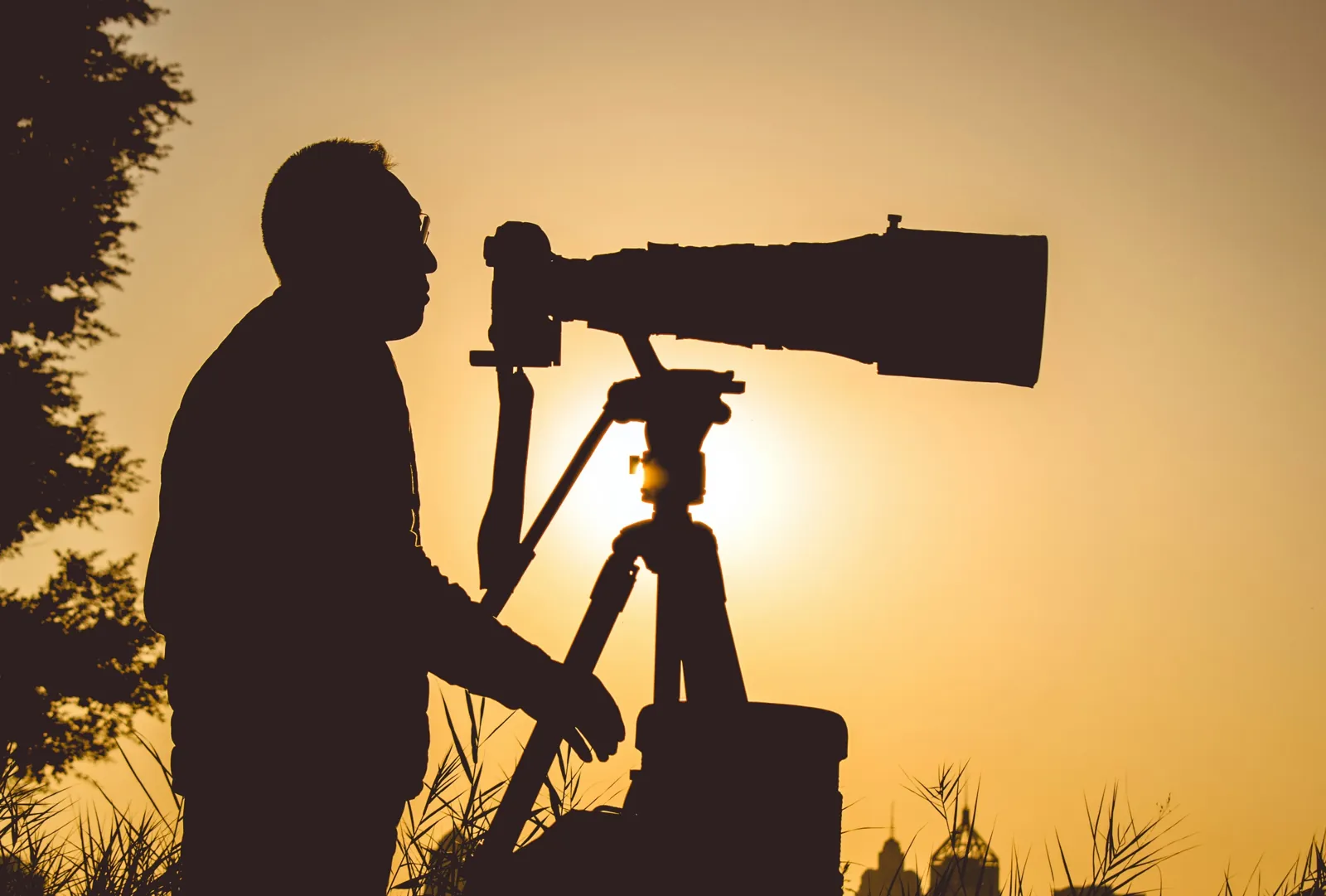
Practise at home before August. For the partial phases, a solar filter on the lens is essential. During totality, remove it and bracket your exposures, from fast shots for the inner corona and the diamond ring to longer ones for the outer streamers. Phones on a tripod handle the darkening landscape well, and a wide shot of people under the dark sky often becomes the photo you remember. Leave at least half of totality to watch with your own eyes.
Why being inside the path matters
A 99% partial eclipse is still a bright day; the remaining sliver of Sun is far too bright for the corona to appear. So the difference between places just outside the path and cities just inside it is enormous, even when they are only a short drive apart.
Coverage and times for more than 100 cities outside the path, from London and Paris to Riyadh and Mumbai, are in our guide to the partial eclipse of 2 August 2027.
Planning ahead
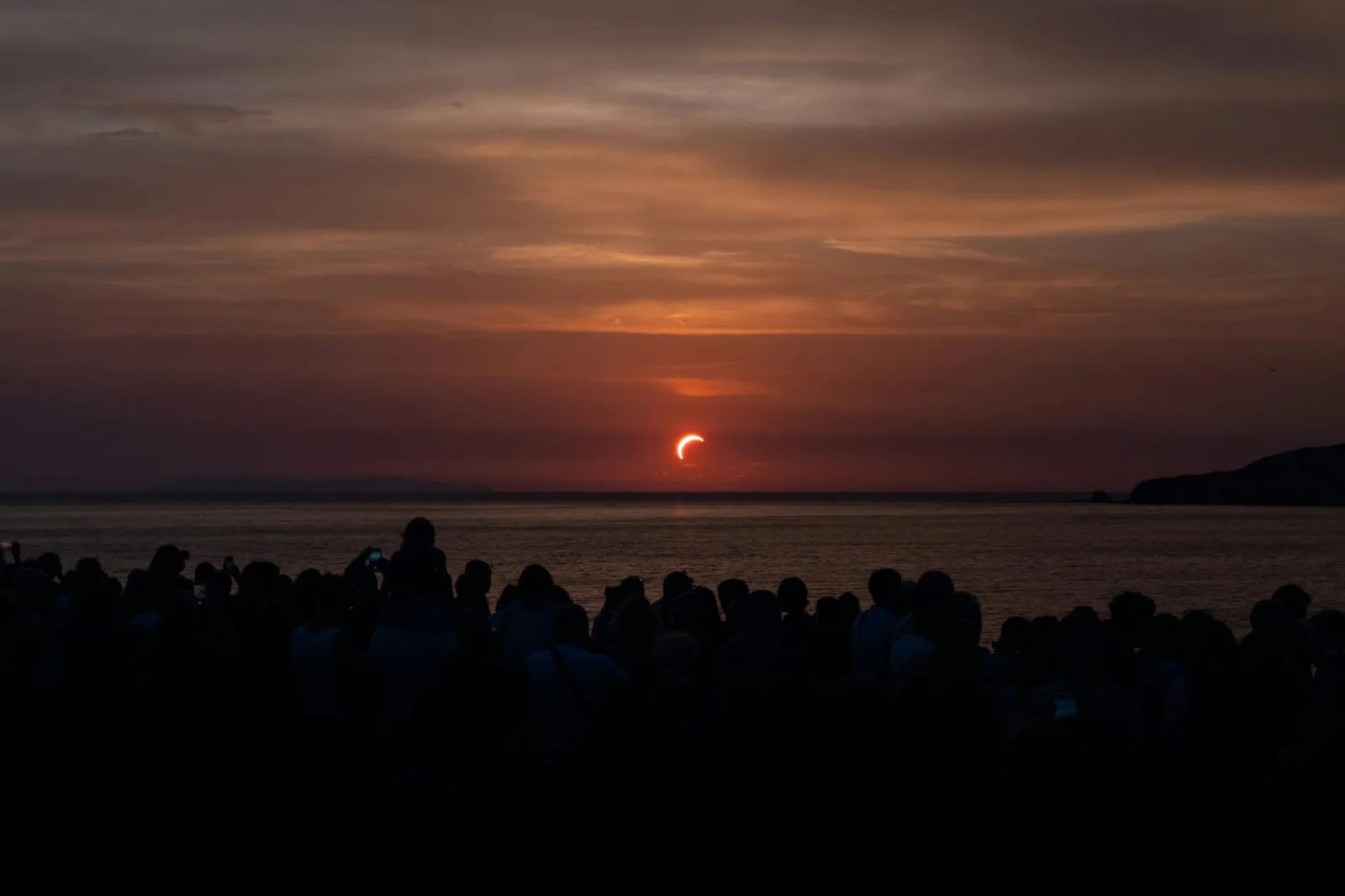
Accommodation inside the path, particularly in Luxor and along the Strait of Gibraltar, is already in demand. Book refundable rooms early, keep a car or transfer plan that lets you move away from cloud on the morning itself, and buy certified eclipse glasses before July 2027, when demand and fakes both peak.
Good questions
- When is the 2027 total solar eclipse?
- On Monday 2 August 2027. Totality reaches the coast of Spain at 10:44 local time and leaves the Horn of Africa a little over two hours later. Greatest eclipse is at about 10:06 UTC over southern Egypt.
- How long does totality last in 2027?
- Up to about 6 min 27 s by our calculation, in the Nile Valley around Nag Hammadi, between Sohag and Luxor. The best spots in southern Spain get four to almost five minutes, northern Morocco four and a quarter to five, and Jeddah about six.
- Why is it called the eclipse of the century?
- Its totality on easily reached land lasts longer than any other total eclipse between 1991 and 2114, and the path crosses easy-to-reach places with reliable summer weather, from the beaches of Cádiz to the temples of Luxor.
- Can I see the 2027 eclipse from the UK, Ireland or the United States?
- The UK and Ireland see a partial eclipse in the morning, with about a quarter of the Sun covered in Scotland and over two fifths on the south coast of England. North America sees nothing, because the eclipse happens during its night.
- Is Cairo in the path of totality?
- No. Cairo lies a few hundred kilometres north of the path and sees a deep partial eclipse. The nearest totality is in the Nile Valley around Asyut and Sohag, or at Siwa Oasis in the Western Desert.
- Do I need eclipse glasses?
- Yes, for every minute of the partial phases before and after totality. Only during totality itself, when the Sun is completely covered, is it safe to look with the naked eye. Outside the path, glasses stay on the whole time.
- Where is the best place to watch?
- The Nile Valley between Sohag and Luxor has the longest totality. For the clearest skies, head to the Egyptian and Libyan deserts, where August cloud is almost unknown. The easiest trip from Europe is to the coast around Cádiz and Tarifa, or to Tangier across the Strait.
Sources
- NASA Eclipse Web Site: Total solar eclipse of 2027 August 02
- Eclipsophile (Jay Anderson): Weather prospects for the total solar eclipse of 2027 August 2
- American Astronomical Society: How to view a solar eclipse safely
- Sky & Telescope: Plan for the 2027 eclipse of the century