Coming up
Partial lunar eclipse12 January 202858 min partialNorth America, South America, Europe, Africa and the PacificPartial lunar eclipse6 July 2028143 min partialAfrica, the Middle East, Asia, Australia and New ZealandTotal lunar eclipse31 December 202872 min totalEurope, Africa, the Middle East, Asia, Australia, New Zealand and the PacificTotal lunar eclipse26 June 2029102 min totalNorth America, South America, Europe and Africa
Three kinds of lunar eclipse
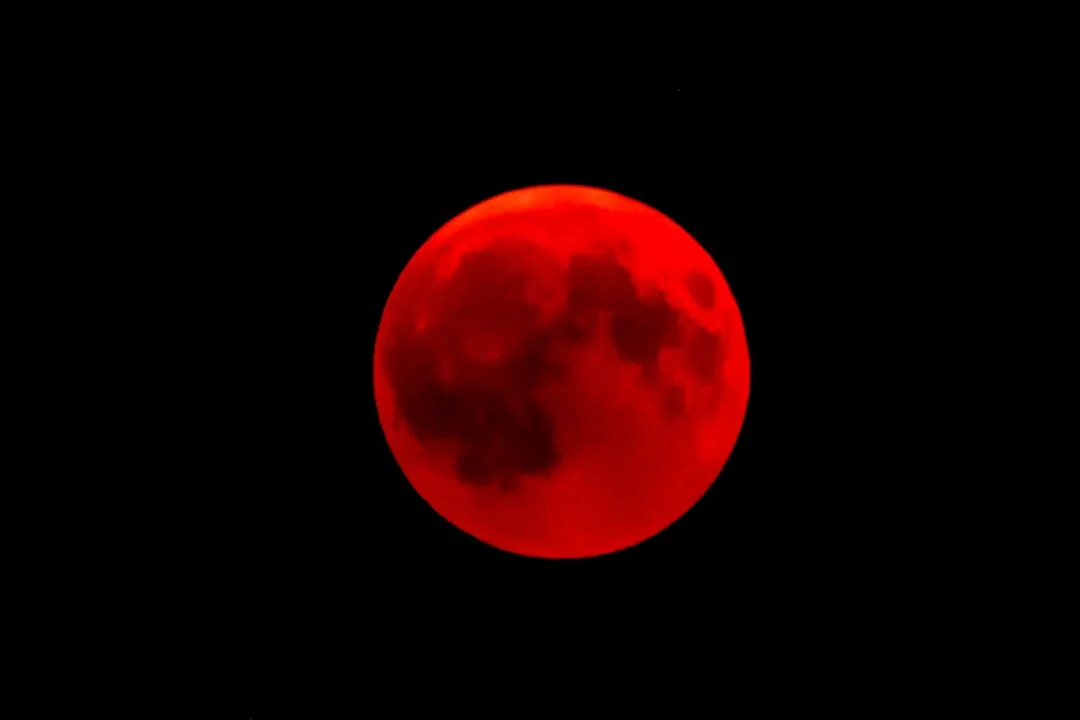
Earth’s shadow has two parts, just like the Moon’s: a dark core, the umbra, and a pale outer fringe, the penumbra. If the whole Moon passes into the umbra, the eclipse is total and the Moon glows red. A Moon that only partly enters it shows a dark bite on one side, which makes a partial eclipse. When the Moon only brushes the penumbra, the eclipse is penumbral, and the dimming is so slight that it is easy to miss.
Lunar eclipses always happen at full moon, usually about two weeks before or after a solar eclipse, during the same eclipse season.
Every lunar eclipse from 2026 to 2035
| Date | Type | Length | Visible from |
|---|---|---|---|
| 3 March 202611:34 UTC | Total | 59 min total | North America, Asia, Australia, New Zealand and the Pacific |
| 28 August 202604:13 UTC | Partial | 199 min partial | North America, South America, Europe, Africa and the Pacific |
| 20 February 202723:13 UTC | Penumbral | 242 min faint shading | North America, South America, Europe, Africa, the Middle East and Asia |
| 18 July 202716:03 UTC | Penumbral | 26 min faint shading | Africa, the Middle East, Asia, Australia, New Zealand and the Pacific |
| 17 August 202707:14 UTC | Penumbral | 220 min faint shading | North America, South America, Europe, Australia, New Zealand and the Pacific |
| 12 January 202804:13 UTC | Partial | 58 min partial | North America, South America, Europe, Africa and the Pacific |
| 6 July 202818:20 UTC | Partial | 143 min partial | Africa, the Middle East, Asia, Australia and New Zealand |
| 31 December 202816:52 UTC | Total | 72 min total | Europe, Africa, the Middle East, Asia, Australia, New Zealand and the Pacific |
| 26 June 202903:22 UTC | Total | 102 min total | North America, South America, Europe and Africa |
| 20 December 202922:42 UTC | Total | 55 min total | North America, South America, Europe, Africa, the Middle East and Asia |
| 15 June 203018:33 UTC | Partial | 145 min partial | Europe, Africa, the Middle East, Asia, Australia and New Zealand |
| 9 December 203022:28 UTC | Penumbral | 280 min faint shading | North America, South America, Europe, Africa, the Middle East and Asia |
| 7 May 203103:51 UTC | Penumbral | 238 min faint shading | North America, South America, Europe, Africa, New Zealand and the Pacific |
| 5 June 203111:44 UTC | Penumbral | 98 min faint shading | North America, Asia, Australia, New Zealand and the Pacific |
| 30 October 203107:45 UTC | Penumbral | 233 min faint shading | North America, South America, Europe, Asia, Australia, New Zealand and the Pacific |
| 25 April 203215:13 UTC | Total | 67 min total | Africa, the Middle East, Asia, Australia, New Zealand and the Pacific |
| 18 October 203219:02 UTC | Total | 49 min total | Europe, Africa, the Middle East, Asia and Australia |
| 14 April 203319:13 UTC | Total | 51 min total | Europe, Africa, the Middle East, Asia, Australia and New Zealand |
| 8 October 203310:55 UTC | Total | 80 min total | North America, Asia, Australia, New Zealand and the Pacific |
| 3 April 203419:06 UTC | Penumbral | 267 min faint shading | South America, Europe, Africa, the Middle East, Asia, Australia and New Zealand |
| 28 September 203402:46 UTC | Partial | 31 min partial | North America, South America, Europe and Africa |
| 22 February 203509:05 UTC | Penumbral | 257 min faint shading | North America, South America, Asia, Australia, New Zealand and the Pacific |
| 19 August 203501:11 UTC | Partial | 78 min partial | North America, South America, Europe, Africa and the Middle East |
Calculated by Chasing Eclipses. “Visible from” lists regions where the Moon is above the horizon during at least part of the eclipse. Greyed-out rows are in the past.
Good questions
- When is the next lunar eclipse?
- On 20 February 2027. It is a penumbral lunar eclipse, visible from North America, South America, Europe, Africa, the Middle East and Asia.
- When is the next blood moon?
- The next total lunar eclipse, when the Moon turns red, is on 31 December 2028, visible from Europe, Africa, the Middle East, Asia, Australia, New Zealand and the Pacific.
- Is it safe to look at a lunar eclipse?
- Yes. A lunar eclipse only dims the light of the full Moon, so you can watch it with the naked eye, binoculars or a telescope. Eclipse glasses are only needed for solar eclipses.
- What is a penumbral lunar eclipse?
- The Moon passes only through the faint outer part of Earth’s shadow. It dims slightly, often so little that most people do not notice anything unusual.
Sources
- NASA Science, Lunar eclipses
- EclipseWise (Fred Espenak), Lunar eclipses 2021–2030
- EclipseWise, Lunar eclipses 2031–2040